May 14, 2026
Lumber, a versatile and robust material, has been used for millennia, providing a foundational element in both residential and commercial construction. From its cost-effectiveness to its strength and durability, lumber continues to be an indispensable resource in the building industry. Let's delve into the numerous advantages of using lumber as building supplies for construction framing.
1. Cost-Effectiveness
Availability of Resources
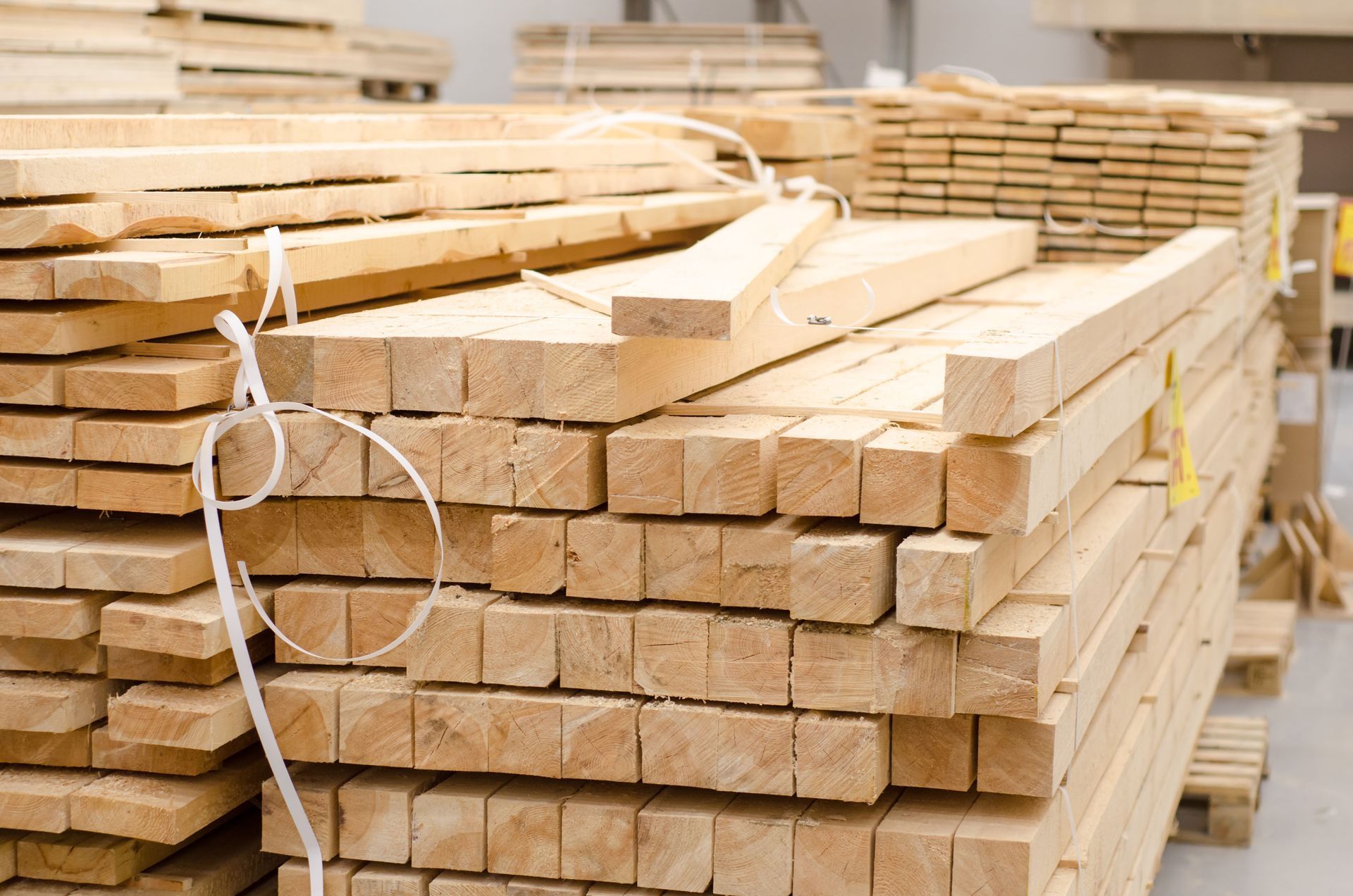
Lumber's widespread availability among building supplies is one of its greatest advantages, making it highly cost-effective. The United States, for instance, produces a staggering 307 million cubic meters of lumber annually, according to RIB Software, underscoring its plentiful nature. This vast resource originates from extensive forest regions globally, providing a stable supply line. The ease with which raw lumber can be procured ensures minimal logistical hurdles, thereby reducing overall expenses. Consequently, the competitive market pricing keeps it accessible to various economic segments.
Moreover, lumber cultivation and management involve sophisticated practices that maintain an equilibrium between demand and environmental conservation. Sustainable forestry ensures that as trees are harvested, new ones are planted, perpetuating a continuous cycle of availability. This regenerative approach makes lumber not only abundant but also periodic, offering a perpetual solution to construction needs. The cyclical nature of lumber production helps stabilize prices, shielding it from volatile market fluctuations. Therefore, builders and architects can rely on lumber without concern for significant price shifts over time.
Workability and Labor Costs
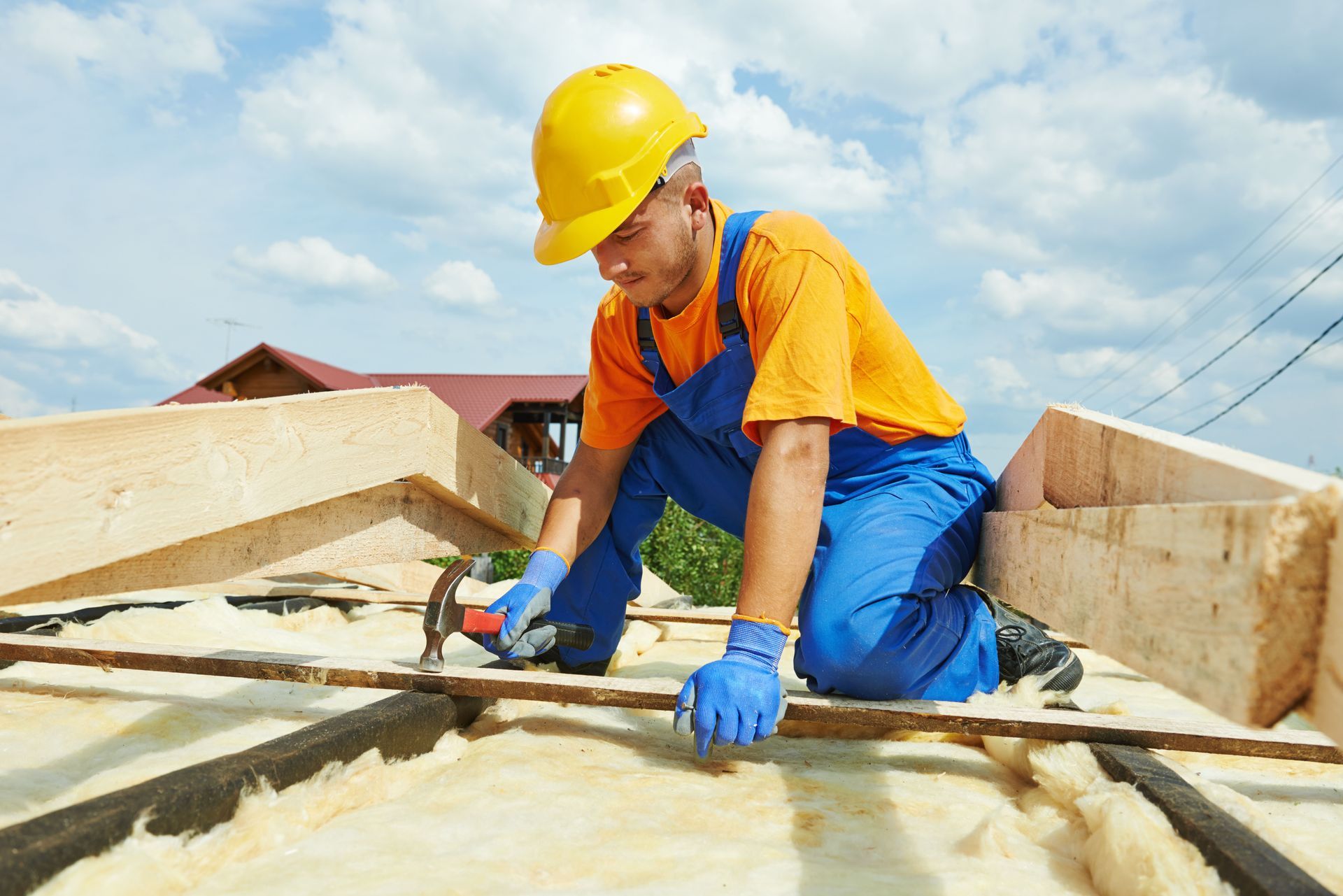
Lumber's natural properties render it highly workable, allowing builders to optimize both time and labor costs. When used as building supplies, it can be easily cut, shaped, and assembled using basic hand tools, reducing reliance on heavy machinery and specialized equipment. This intrinsic ease of manipulation facilitates faster processing times, enabling projects to advance efficiently. Consequently, projects incur fewer labor-related expenses, allowing for better allocation of resources toward other critical areas. Overall, lumber's workability significantly affects the economic dynamics of construction efforts.
Another aspect that positively impacts labor costs is the reduction in labor-intensive additional treatments often required by alternative materials. While metals and concrete might need specialized handling to avoid corrosion or cracking, lumber is straightforward in its natural form or with minimal preservatives. This simplicity curtails labor investment, yielding substantial savings over the project's duration. Additionally, the straightforward installation techniques associated with lumber can minimize logistical coordination challenges. Therefore, the material itself not only involves lower labor input but also contributes to smoother project execution.
Long-Term Value
When used as building supplies, lumber offers longevity, affording projects the securement of long-term value and service life. When treated correctly, wood exhibits impressive durability, capable of withstanding various environmental pressures over extensive periods. This long-lasting nature ensures that less attention needs to be directed toward maintaining wooden structures, leading to long-term savings. Minimal maintenance requirements mean potential reductions in overall operational costs for structures centered around wood. As such, wood's durability provides stakeholders with reassuring returns on their investments.
Beyond individual and societal scales, the economic sustainability associated with implementing lumber in projects amplifies its value proposition further. Effectively administered wood-framed buildings have been shown to have superior property resale values due to their aesthetic appeal and perceived workmanship. Therefore, using lumber potentially increases project desirability, attracting potential buyers and investors. Moreover, advancements in recycling technologies provide incredible potential for repurposing lumber from one project to another. This adaptability enhances both inherent value and cost-efficiency as repurposed materials continue to yield dividends.
2. Strength and Durability
Natural Resilience
Lumber's strength and resilience as a form of building supplies make it uniquely suited for a variety of construction needs. Its natural ability to resist various stresses makes it an ideal choice for load-bearing applications. The shock absorption qualities inherent in wood can effectively cushion and distribute impacts, enhancing structural stability. This ability to bear significant loads while remaining flexible under stress further amplifies its appeal for use in diverse climates. Consequently, lumber's natural resilience ensures that it performs admirably under a wide range of conditions, proving its value and utility.
The advantages of using lumber extend further in its performance across different climatic regions. Its flexibility allows it to accommodate varying climate-induced changes without compromising structural integrity. In regions affected by extreme weather, lumber demonstrates remarkable adaptability and strength, routinely outperforming other conventional building supplies. This inherent robustness provides additional assurance to stakeholders interested in utilizing organic elements alongside enduring physical qualities. Through its combined natural resilience and durability, wood continues to reinforce its utility and applicability across complex structures within varied environmental contexts.
Protection Against Elements
Lumber naturally resists many environmental elements, making it an exceptional choice for external construction applications. Various tree species possess inherent qualities that protect against weathering, including the ability to stand up to prolonged sun exposure and moisture ingress. Species like cedar and redwood are prized for their natural resistance to decay and insect intrusion, ensuring extended service life without degradation. Robust treatment options are available to enhance these innate qualities further, making lumber particularly desirable across a wide spectrum of environments. By leveraging wood's protective attributes, developers ensure long-lasting structures above and beyond conventional expectations.
In unison, lumber exhibits impressive resistance capabilities toward ultraviolet (UV) light. This resistance prevents significant UV damage suffered by certain other materials, exemplifying timber's multifaceted qualities. Positive outcomes can be magnified using specialized surface treatments, providing durable outer skins shielding wooden structures from ray-induced discolorations or breakdowns. Incorporating anti-UV varnishes intensifies the material's utility, solidifying user confidence with additional protective realms. Collectively merging wood's qualities with external enhancements offers enduring, impressive longevity applications across various construction scenarios, cementing lumber's valid exploratory potential.
3. Design Flexibility and Construction Efficiency
Adaptability in Structural Design
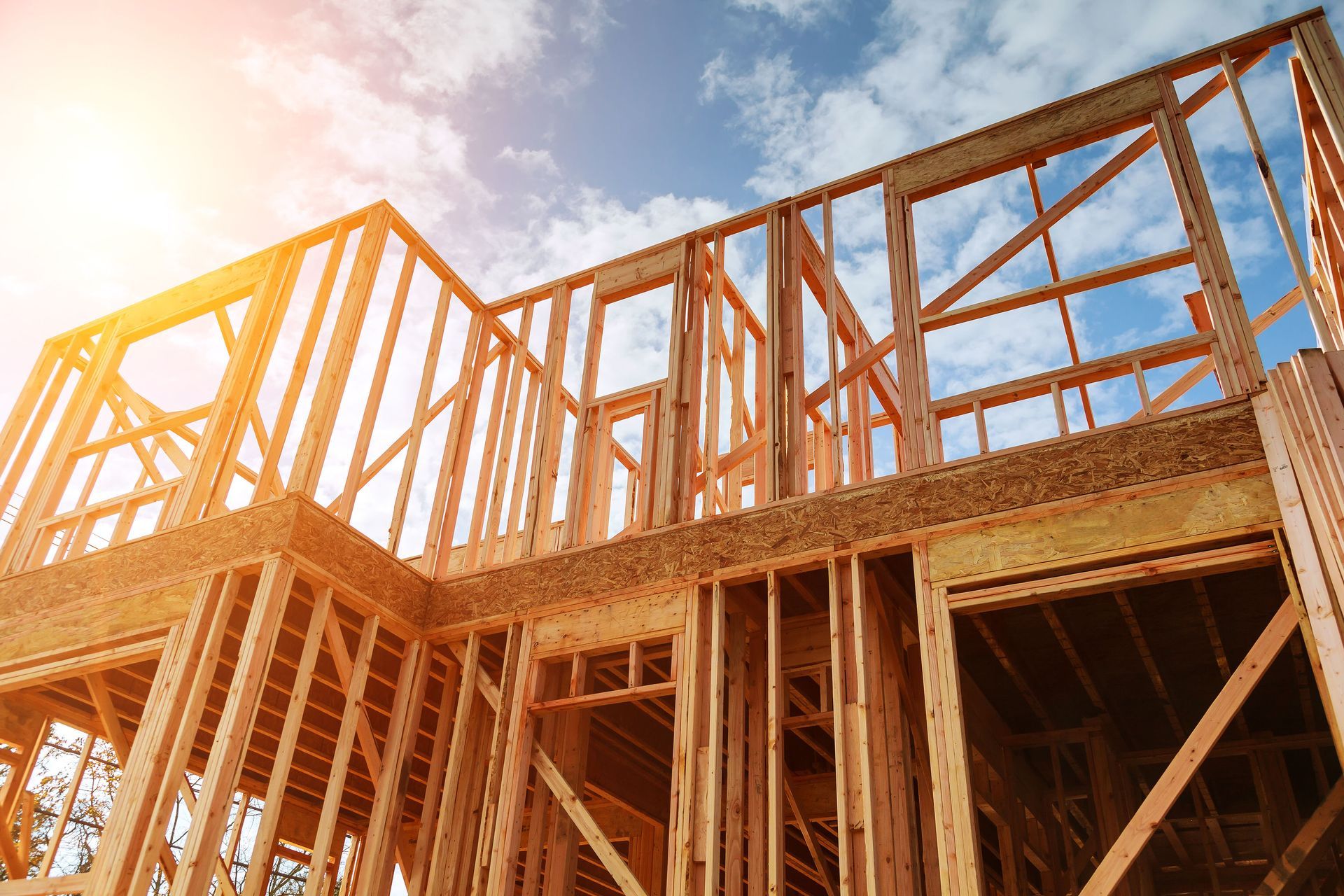
One of lumber's most practical advantages is how easily it adapts to different design needs. It can be cut, shaped, notched, and joined on-site without requiring specialized fabrication facilities. This gives builders far more flexibility when dealing with custom layouts, last-minute design changes, or site-specific adjustments. Whether the project involves standard framing or more complex architectural details, lumber allows construction teams to respond quickly without slowing progress.
This adaptability also makes lumber suitable for a wide range of building types, from single-family homes to multi-unit developments and light commercial structures. Its versatility means the same material can be used across multiple phases of a project, reducing the need to switch between different structural systems. That consistency simplifies planning and helps keep construction timelines more predictable.
Faster On-Site Construction
Lumber building supplies support faster build times because it's straightforward to handle and assemble. Crews can work efficiently with familiar tools and established framing methods, which reduces the learning curve and minimizes delays. Unlike materials that require curing time or complex installation processes, wood framing can be completed in continuous stages without long interruptions.
Pre-cut lumber and prefabricated framing components further accelerate construction schedules. These materials arrive ready for assembly, reducing the amount of on-site measuring and cutting required. As a result, projects move from foundation to framing more quickly, helping contractors meet deadlines and reduce labor hours tied to extended build times.
Compatibility With Modern Building Systems
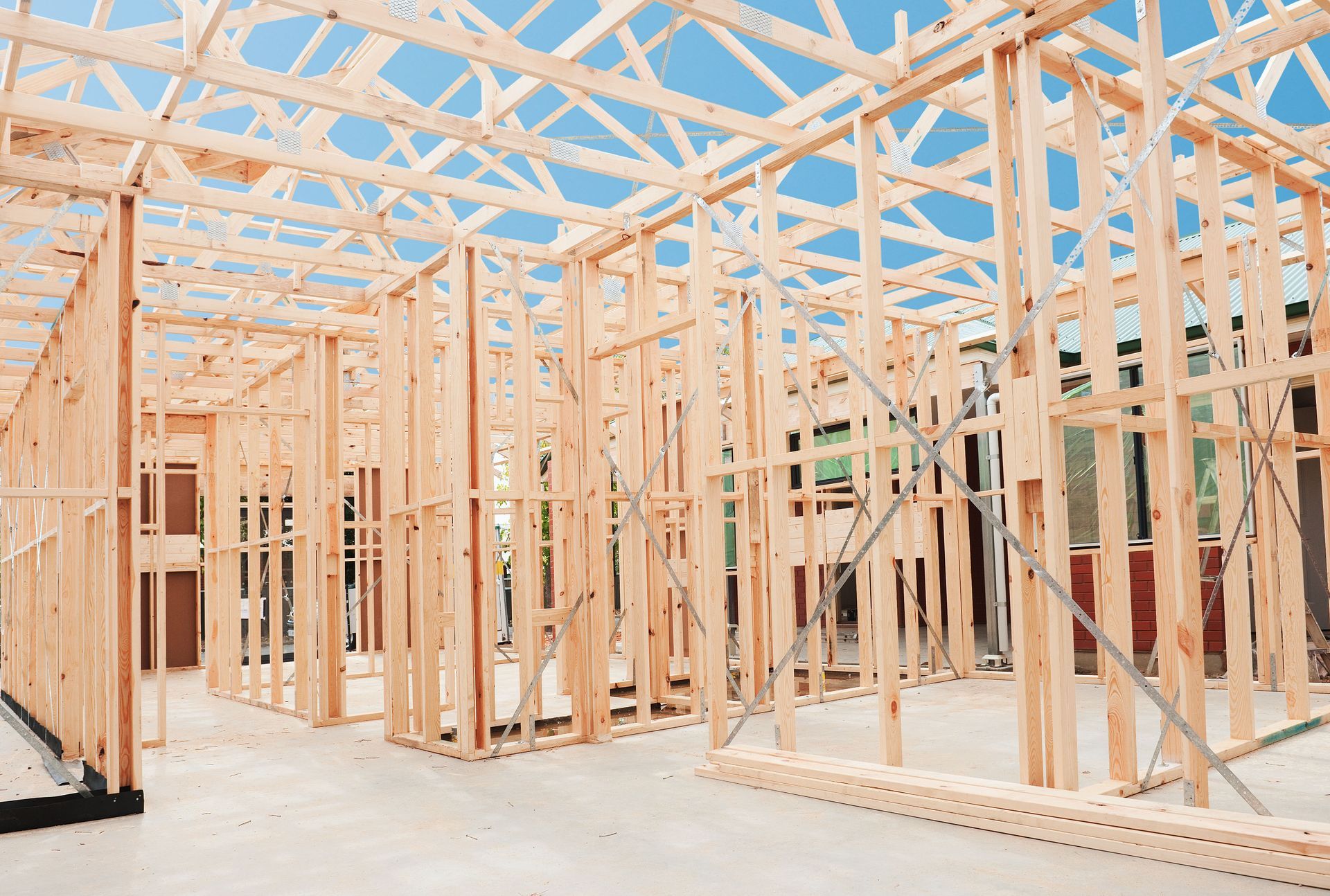
Lumber integrates easily with modern construction systems, including insulation, electrical routing, plumbing, and interior finishing materials. Its framing structure allows for straightforward installation of mechanical systems without extensive modification. Open wall cavities make it easier for trades to complete their work efficiently, which helps prevent coordination issues between different contractors on-site.
This compatibility also reduces the need for specialized connectors or reinforcement systems commonly required with other framing materials. Because wood is widely understood across the construction industry, it streamlines communication between architects, engineers, and builders. The result is a smoother construction process with fewer delays caused by material incompatibility or installation constraints.
Lumber continues to stand out as one of the most reliable and practical building supplies for construction framing, offering a balanced combination of affordability, strength, and adaptability. Its widespread availability and ease of use help keep project costs manageable, while its proven durability ensures structures remain stable and dependable over time. When considering overall performance, efficiency, and lasting structural integrity, lumber remains a trusted foundation in residential and commercial construction alike. Reach out to Frost Lumber Co Inc today to get started with this timeless and durable building material!